
Ever felt a pull to something more authentic, something rooted in history? Join me as I recount how a series of one-day workshops in ancient trades didn't just teach me new skills, but profoundly shifted my entire outlook on travel and life. Get ready to discover how you can experience this magic too!
Ancient Trades: How 1-Day Workshops in Timeless Crafts Changed My Life Forever
There was a time, not so long ago, when my travel itinerary looked like a checklist. See the landmark, snap the photo, move on. It was exciting, yes, but after a while, a subtle emptiness began to creep in. I was seeing the world, but was I truly experiencing it? Was I connecting with its soul, its history, its people, beyond the surface?
That feeling, that yearning for something deeper, led me down an unexpected path: the world of ancient trades. It started innocently enough with a pottery class in a small village in Tuscany, and before I knew it, I was hooked. These weren't just tourist activities; they were immersive, hands-on journeys into traditions that have shaped humanity for millennia. And the best part? Many of them can be learned, or at least profoundly experienced, in a single day.
These aren't just skills; they're meditations, history lessons, and profound connections all rolled into one. Here’s how these one-day workshops in ancient crafts didn't just teach me to make something beautiful, but fundamentally changed my life and how I see the world.
1. The Earth in My Hands: Finding My Center with Traditional Pottery
My first foray into ancient trades was pure serendipity. I was wandering through the sun-drenched hills of Tuscany, near a tiny hamlet called Montalcino, when I stumbled upon a sign for "Laboratorio di Ceramica." Intrigued, I walked into a rustic studio filled with the earthy scent of clay and a quiet, focused energy.
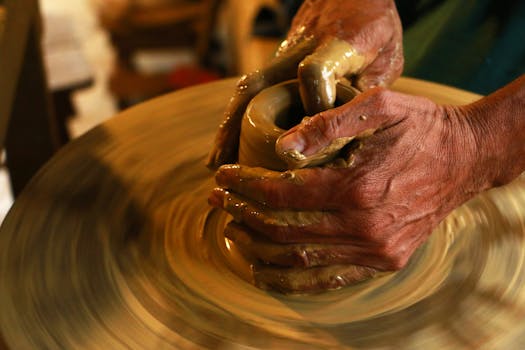
The Experience: My instructor, Signora Elena, a woman with hands that looked like they had shaped mountains, welcomed me with a warm smile. For six glorious hours, I sat at a potter's wheel, my hands guided by hers, transforming a lump of clay into something resembling a bowl (eventually!). The initial frustration of the spinning clay collapsing gave way to a meditative rhythm. The feel of the wet, cool earth between my fingers, the constant hum of the wheel, and Elena’s gentle encouragement created a sanctuary of focus. I wasn’t thinking about my next blog post, my flight, or anything beyond the clay in front of me. It was pure presence.
What I Learned: Beyond the basic technique of centering and pulling, I learned patience, resilience, and the beauty of imperfection. Each wonky vase or lopsided mug I made was a testament to my learning curve, a tangible reminder that mastery comes from practice, not immediate perfection. It taught me to embrace the process, not just the outcome.
Practical Tips:
- Where to Find It: Pottery workshops are surprisingly ubiquitous! Look for local artisan studios in cultural hubs like Florence (Italy), Oaxaca (Mexico), Kyoto (Japan), or even rural craft centers. Websites like Airbnb Experiences, local tourism boards, or dedicated craft schools are great starting points.
- Price Range: Expect to pay €80-€150 (approx. $90-$170 USD) for a half-day to full-day introductory session, often including materials and firing.
- What to Expect: Most day workshops focus on hand-building techniques (coiling, pinching, slab work) or an introduction to the potter's wheel. You'll likely make 1-3 small pieces. Firing takes time, so you might need to arrange shipping or pick-up later.
- My Favorite Moment: The sheer joy of seeing my misshapen bowl emerge from the kiln days later, transformed into a solid, beautiful object. It was a piece of me, and a piece of Tuscany, I could take home.
- Instagram-Worthy Shot: A close-up of hands covered in clay, intently working on the wheel, with a blurred background of a rustic studio. Hashtag: #PotteryLife #HandmadeWithLove #TuscanCrafts
2. Weaving Stories in Thread: The Ancient Art of Natural Dyeing
My next adventure took me to the vibrant textile markets of Marrakech, Morocco. The colors were intoxicating, but it was the rich, earthy tones of natural dyes that truly captivated me. I found a small workshop tucked away in the medina, run by a family whose knowledge of plants and pigments stretched back generations.
The Experience: Our day began with a trip to the local souk to gather ingredients: madder root for reds, indigo for blues, pomegranate skins for yellows, and even onion peels for oranges. Back at the workshop, the air was thick with the scent of simmering pots. We learned how to prepare fabrics (mostly silk and cotton scarves) with mordants, then dipped them into bubbling cauldrons of vibrant natural dyes. Seeing a pale cream scarf slowly transform into a deep, earthy terracotta or a shimmering indigo was nothing short of magic. Each dip, each rinse, revealed a new layer of color.
What I Learned: This workshop opened my eyes to the incredible artistry and science behind natural colors. It made me appreciate the painstaking effort that went into textiles for centuries before synthetic dyes. More profoundly, it connected me to the earth in a new way – realizing that the colors we cherish come directly from plants, insects, and minerals. It fostered a deeper respect for sustainable practices and traditional knowledge.
Practical Tips:
- Where to Find It: Look for natural dyeing workshops in textile-rich regions like Marrakech (Morocco), Jaipur (India), Chiang Mai (Thailand), or even artisan communities in the American Southwest. Search for "textile workshops," "eco-dyeing," or "indigo dyeing classes."
- Price Range: Expect €70-€120 (approx. $80-$140 USD) for a half-day to full-day workshop, including materials (usually a scarf or two).
- What to Expect: You'll learn about different dye sources, mordants, and basic dyeing techniques. You'll likely dye a small item you can take home immediately. Wear old clothes – it gets messy!
- My Favorite Moment: Unfurling a silk scarf after its final rinse, revealing a kaleidoscope of subtle, organic colors that felt like they were breathing.
- Instagram-Worthy Shot: A vibrant array of naturally dyed fabrics hanging to dry in the sun, with the ancient walls of the medina in the background. Hashtag: #NaturalDyeing #MarrakechCrafts #EcoFashion #TextileArt
3. Forging Fire and Steel: The Primal Power of Blacksmithing
This one might sound intimidating, but trust me, it’s exhilarating! In a small, surprisingly modern forge just outside Asheville, North Carolina (a haven for craftspeople), I signed up for a beginner's blacksmithing class. The idea of shaping metal with fire and hammer felt incredibly primal and powerful.
The Experience: The moment I stepped into the forge, the heat, the clang of hammers, and the smell of coal smoke hit me. Our instructor, a burly yet gentle giant named "Hammer" John, walked us through safety first. Then, we were handed tongs and a piece of mild steel. We learned to heat the metal until it glowed orange, then bring it to the anvil and, with controlled strikes, begin to shape it. My project for the day? A simple, elegant bottle opener. It took immense concentration, physical effort, and a surprising amount of finesse to get the curves just right. The feeling of the hammer striking the hot metal, watching sparks fly, and seeing the steel yield to my will was incredibly empowering.
What I Learned: Blacksmithing taught me about the transformative power of heat and force, but also about patience and precision. It showed me that even the hardest materials can be shaped with the right technique and persistence. It was a profound lesson in understanding the fundamental elements and how humans have harnessed them for creation for millennia. It also made me appreciate every single piece of metalwork I encountered, from gates to tools.
Practical Tips:
- Where to Find It: Look for blacksmithing schools or artisan guilds in areas known for craft, like Appalachian regions (USA), rural Europe, or specialized craft centers. A quick search for "beginner blacksmithing class" or "forge experience" in your desired location should yield results.
- Price Range: Day workshops typically range from $150-$300 USD (€130-€270), often including materials and safety gear.
- What to Expect: You'll learn basic hammering techniques, heating, and shaping. You'll likely make a small, functional item like a hook, bottle opener, or small leaf. Wear natural fiber clothing (cotton, denim), closed-toe shoes, and bring water.
- My Favorite Moment: The satisfaction of pulling my still-warm, perfectly formed bottle opener from the quench bucket, a testament to my own two hands and a lot of sweat.
- Instagram-Worthy Shot: A close-up of a glowing piece of steel on an anvil, with a hammer poised above it, sparks flying. Hashtag: #Blacksmithing #ForgeLife #HandmadeTools #Craftsman
4. The Silent Language: Unlocking the Beauty of Calligraphy
After the raw power of the forge, I sought something more delicate. In a serene, traditional teahouse in Kyoto, Japan, I enrolled in a Shodo (Japanese calligraphy) workshop. The quiet reverence of the setting immediately set a different tone.
The Experience: Our sensei, a woman with an incredibly graceful demeanor, introduced us to the tools: the fude (brush), sumi (ink stick), suzuri (inkstone), and washi (paper). The first hour was dedicated to simply grinding the ink stick with water on the suzuri, a rhythmic, meditative process that calmed the mind. Then came the brushwork. We practiced basic strokes, learning to control the pressure, the flow of ink, and the breath. Each stroke was an act of intention, a dance between control and spontaneity. My attempts were clumsy at first, but with each carefully drawn character, I felt a deeper connection to the ancient art form and the philosophy behind it.
What I Learned: Calligraphy is far more than just writing; it's a form of moving meditation, an exercise in mindfulness and precision. It taught me the importance of presence, of slowing down and focusing entirely on the task at hand. It also gave me a profound appreciation for the beauty and complexity of written language, and the deep cultural significance embedded in each character. It’s a silent conversation with history and art.
Practical Tips:
- Where to Find It: Kyoto (Japan) is an ideal place for Japanese calligraphy (Shodo). You can also find Western calligraphy, Arabic calligraphy, or Chinese calligraphy workshops in major cultural cities worldwide. Check cultural centers, art schools, or specific tourist experience websites.
- Price Range: Typically ¥4,000-¥8,000 (approx. $30-$60 USD or €25-€50) for a 2-3 hour session, including materials.
- What to Expect: You'll learn basic strokes, proper posture, and how to prepare your materials. You'll likely practice a few simple characters or phrases. The atmosphere is usually very calm and focused.
- My Favorite Moment: The moment I finally managed a single, smooth, balanced stroke – it felt like a small victory of mind over matter.
- Instagram-Worthy Shot: A perfectly composed shot of a calligraphy brush poised over a fresh sheet of washi paper, with an inkstone and a delicate teacup nearby. Hashtag: #Shodo #JapaneseCalligraphy #Mindfulness #KyotoExperience
5. The Staff of Life: Baking Traditional Sourdough Bread
My final "ancient trade" revelation came in a cozy, artisanal bakery tucked into a charming neighborhood of Lisbon, Portugal. I’d always loved bread, but making it from scratch, especially sourdough, felt like unlocking a secret of the ages.
The Experience: Our baker-instructor, Senhor Ricardo, was a passionate advocate for slow food and ancient grains. The day began with feeding his "mother" sourdough starter, a living organism that had been passed down for decades. We learned about different flours, the science of fermentation, and the art of kneading, shaping, and scoring loaves. The process was surprisingly tactile and sensory – the sticky dough transforming under my hands, the yeasty aroma filling the air, the anticipation as the loaves proofed. Finally, sliding our creations into a scorching hot stone oven and watching them transform into golden, crusty masterpieces was pure magic.
What I Learned: Baking sourdough is a lesson in patience, trust, and understanding natural processes. It taught me to listen to the dough, to feel its texture, and to respect the time it needs to develop. It connected me to a fundamental human activity that has sustained communities for millennia. There's something incredibly grounding about creating your own food, a primal satisfaction that goes beyond mere sustenance. It made me appreciate the true value of good bread, and the skill of bakers worldwide.
Practical Tips:
- Where to Find It: Look for artisan bakeries in European cities (Paris, Rome, Lisbon), or dedicated baking schools anywhere. Many small towns also have local bakeries offering workshops. Search for "sourdough baking class," "traditional bread making," or "artisan bakery workshop."
- Price Range: Expect €90-€180 (approx. $100-$200 USD) for a full-day workshop, usually including all ingredients and your freshly baked loaves to take home.
- What to Expect: You'll learn the full process from starter maintenance to baking. Be prepared for a hands-on, sometimes messy, and incredibly rewarding day. You'll likely leave with a starter to continue your journey at home.
- My Favorite Moment: Pulling my own perfectly crusty, aromatic sourdough loaf from the oven – the smell was intoxicating, and the first bite was pure bliss.
- Instagram-Worthy Shot: A beautifully scored, golden-brown sourdough loaf cooling on a rack, steam gently rising, with a rustic kitchen backdrop. Hashtag: #SourdoughLife #ArtisanBread #BakingClass #LisbonFood
Practical Tips for Finding Your Own Ancient Trade Adventure
Ready to trade your checklist for a chisel, your selfie stick for a spinning wheel? Here’s how you can embark on your own life-changing journey:
- Research Local Artisans: When planning a trip, don't just look for tourist attractions. Search for "craft workshops," "artisan experiences," or "traditional skills classes" in your destination. Local tourism boards are often a goldmine.
- Check Airbnb Experiences & Viator: These platforms have expanded significantly to include unique, hands-on cultural activities led by locals. Filter by "crafts," "art," or "cooking."
- Visit Craft Fairs & Markets: Chat with the artisans! Many are passionate about their craft and may offer workshops or know someone who does.
- Look for Dedicated Schools/Studios: Major cities and rural craft hubs often have specialized schools for pottery, woodworking, weaving, etc.
- Embrace the Unexpected: Sometimes the best experiences are found by simply wandering and being open to serendipity, like I did in Tuscany.
- Read Reviews: Always check what previous participants say about the instructor and the experience.
- Be Open to Learning: Go in with an open mind, ready to make mistakes, and eager to connect with the instructor and the craft. The "life-changing" part often comes from the humility of being a beginner.
- Ask About Inclusions: Confirm what's included (materials, tools, finished product, food/drink) and what you need to bring.
- Wear Appropriate Attire: For messy crafts like pottery or dyeing, wear old clothes. For blacksmithing, natural fibers and closed-toe shoes are a must.
Why These Ancient Trades are More Than Just Hobbies
Learning these ancient trades in a day wasn't just about acquiring a new skill; it was about:
- Mindfulness & Presence: Stepping away from screens and into a focused, tactile activity grounds you in the moment.
- Connection to History: You're literally touching and continuing practices that have sustained humanity for millennia. It's a living history lesson.
- Cultural Immersion: Learning a local craft often means interacting with local artisans, understanding their traditions, and gaining a deeper insight into the culture.
- Empowerment: There's an incredible satisfaction in creating something tangible with your own hands, something that didn't exist before you started.
- Perspective Shift: It changes how you view everyday objects, appreciating the skill and effort behind handmade items versus mass-produced goods.
- Sustainable Travel: These experiences often support local economies and traditional craftsmanship, contributing to a more meaningful and responsible way to travel.
My travel style has fundamentally changed. Now, I seek out these immersive experiences, knowing that the deepest connections are often forged not by seeing, but by doing. These one-day workshops didn't just teach me ancient crafts; they rekindled a forgotten spark within me, reminding me of the joy of creation, the beauty of patience, and the profound satisfaction of connecting with the world in a truly hands-on way.
Which ancient trade will you try first? Share your thoughts and dream workshops in the comments below! I can't wait to hear about your own life-changing adventures.
---
More pictures

Tags
Share this guide
We may earn a commission if you click a link and buy a product or service, at no extra cost to you. How affiliate links work.
Been there?