
Tired of generic tourist traps? Imagine learning an ancient craft, directly from a local master, in just one day – a secret experience most travelers miss. We're diving deep into hidden workshops where you can forge, weave, or paint your own piece of history, creating memories and souvenirs that truly tell a story. --- ##
The Secret Handshake to Authentic Travel: Learning Ancient Trades in a Day
I remember standing in a bustling Marrakech souk, the air thick with spices and the calls of vendors, feeling utterly overwhelmed. Every stall offered the same "authentic" leather goods, the same "hand-woven" rugs, yet something felt… manufactured. Then, a tiny, unassuming alley caught my eye. No bright signs, no aggressive touts, just a faint rhythm of hammering coming from within. Curiosity, my ever-present travel companion, pulled me in.
What I found was a revelation: a small, dusty workshop where an elderly artisan, his hands gnarled with decades of work, was meticulously hand-tooling intricate designs into a brass tray. He wasn't trying to sell me anything; he was simply creating. I watched, mesmerized, and a quiet conversation began. By the end of the afternoon, fueled by mint tea and shared smiles, I wasn't just observing; I was learning. He showed me how to hold the chisel, how to tap with precision, how to bring metal to life. In just a few hours, I had crafted a small, imperfect, but profoundly personal piece of art. It wasn’t just a souvenir; it was a story, a connection, a secret shared.
This, my fellow adventurers, is the kind of travel I live for – the kind that takes you beyond the glossy brochures and into the beating heart of a culture. It’s about seeking out the experiences locals often keep to themselves, not out of malice, but because they’re simply part of their daily lives, too precious or too niche to be mass-marketed to tourists. And the best part? Many of these ancient, incredible trades can be experienced, even learned, in a single day. Ready to ditch the tourist traps and earn your stripes as a true cultural explorer? Let’s dive in.
Why Ditch the Souvenir Shop for a Workshop? The Unseen Value
Before we get into the nitty-gritty of where and how, let’s talk about why. Why spend a precious day of your vacation getting your hands dirty when you could be lounging on a beach or ticking off another landmark? The answer is simple: unparalleled authenticity.
When you learn an ancient trade, even for a few hours, you’re not just buying a product; you’re buying into a lineage, a tradition, a way of life that has often been passed down through generations. You’re supporting local artisans directly, ensuring these invaluable skills don't fade into history. The object you create, no matter how rudimentary, becomes a tangible memory infused with your effort and the spirit of the place. It's a story you can tell, not just a trinket you bought. Imagine showing off your hand-painted ceramic tile from Portugal, your forged iron pendant from Bulgaria, or your naturally dyed scarf from Peru – each piece a testament to an immersive journey, not just a fleeting visit. These are the experiences that become the highlights of your travel stories, the ones that spark genuine awe and connection long after you’ve returned home.
1. Whispers of Clay: Pottery in the Moroccan Medina
My first true deep dive into an ancient craft happened in the labyrinthine medina of Fes, Morocco. Beyond the famous tanneries and bustling markets, I heard tales of small, family-run potteries tucked away in residential alleys. After a few inquiries (and a lot of getting delightfully lost), I stumbled upon Atelier Dar Seffarine, a small, unassuming workshop run by the matriarch, Fatima, and her son.
Fatima, with her warm smile and hands that seemed to have a conversation with the clay, offered informal lessons. For about 300-400 Moroccan Dirhams (approx. $30-$40 USD) for a half-day session, she guided me through the basics of the potter's wheel. It wasn't about perfection, but connection. We started with simple pinch pots, then moved to the wheel, her hands gently guiding mine. The feeling of the clay spinning, transforming under my touch, was incredibly meditative. I learned about the local clay, the traditional designs, and even the natural pigments they used. By the end, I had two wobbly but undeniably mine tagines, which they fired for me to pick up a few days later. It was a messy, joyful, and utterly unforgettable experience.
Practical Tip: Look for "potier" (potter) signs in less-trafficked areas of the medina. Ask your riad host or a local shopkeeper for recommendations, emphasizing you want a working studio, not just a souvenir shop. Be prepared for a language barrier; a few basic Arabic phrases or a translation app will go a long way.
2. The Art of the Anvil: Blacksmithing in the Bulgarian Mountains
High in the Rhodope Mountains of Bulgaria, where ancient traditions cling to the crisp mountain air, blacksmithing isn't just a relic; it's a living art. I’d heard whispers of a village near Tryavna where a few families still practiced the old ways. After a scenic drive, I found myself in a small, smoky forge belonging to Ivan, a third-generation blacksmith.
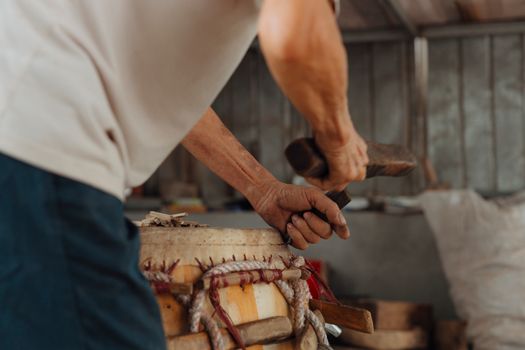
Ivan, a man of few words but immense skill, didn't advertise. His forge was his home. Through a local guide I’d hired for the day (essential for finding these spots and translating), I arranged a session. For around 100-150 Bulgarian Leva (approx. $55-$85 USD), I spent four intense hours learning the rhythm of the hammer on hot metal. He taught me how to heat the iron in the roaring furnace, how to hold the tongs, and the importance of striking with precision. My project? A simple, hand-forged iron hook, perfect for hanging kitchen utensils. It was physically demanding, exhilarating, and deeply satisfying. The smell of coal smoke, the clang of metal, the sheer power of shaping something with fire and force – it was primal and utterly invigorating. I left with soot on my face, blisters on my hands, and a profound respect for a craft that built nations.
Practical Tip: This is a tougher one to find without local help. Consider hiring a local guide for a day trip to a smaller village. They'll know who to ask and how to approach the artisans respectfully. Always offer to pay a fair price; these skills are invaluable.
3. Weaving Tales: Textile Dyeing in the Peruvian Andes
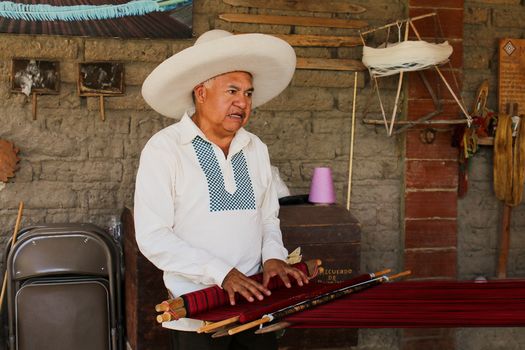
The Sacred Valley in Peru is famous for its vibrant textiles, but most tourists only see the finished products in markets. I wanted to understand the magic behind the colors. In the small Andean village of Chinchero, known for its traditional weaving cooperatives, I sought out a lesser-known group called Awamaki. While they have a small shop, their true gem is their dyeing workshop.
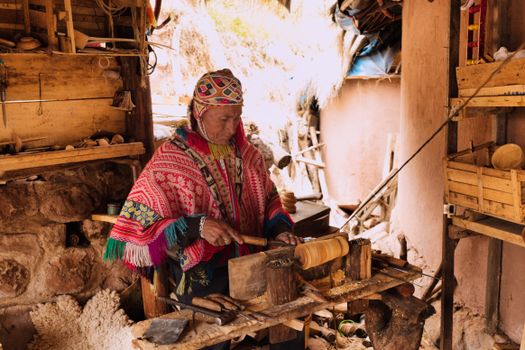
For about 70-100 Peruvian Soles (approx. $18-$26 USD), I participated in a half-day session focused entirely on natural dyeing. Surrounded by women whose ancestors had perfected these techniques over millennia, I learned how they extract brilliant reds from cochineal insects, vibrant yellows from local flowers, and earthy browns from tree bark. We processed the raw alpaca wool, prepared the dye baths, and then, with gloved hands, dipped skeins of yarn into the bubbling concoctions. The transformation of dull yarn into a riot of color was pure alchemy. I walked away with a small, naturally dyed yarn sample and a newfound appreciation for the incredible artistry and patience involved in every single textile I saw. It made every poncho and blanket in the market tell a richer story.
Practical Tip: Look for smaller, women-run cooperatives or homestays in villages like Chinchero or Pisac. Ask about dyeing workshops specifically, as weaving workshops are more common. Be prepared for a rustic setting and bring layers, as mountain weather can change quickly.
4. The Scent of Tradition: Perfume Making in Provence, France
Beyond the lavender fields and charming villages of Provence lies Grasse, the undisputed perfume capital of the world. While major perfume houses offer tours, I yearned for something more intimate, something that harkened back to the ancient art of perfumery. I found a small, independent "nose" – a master perfumer – named Jean-Pierre, who offered private, bespoke workshops from his tiny, fragrant studio.
Jean-Pierre, a man whose nose was his livelihood, had a small sign outside his door that simply read "Parfumeur Artisan." His half-day workshop, priced around 150-200 Euros (approx. $160-$215 USD), was an olfactory journey. He introduced me to hundreds of individual essences – top notes, heart notes, base notes – explaining their origins and how they interacted. Under his patient guidance, I learned the basics of blending, the art of creating a harmonious scent. It was like painting with invisible colors. I experimented, I failed, and eventually, I crafted my own unique perfume – a delicate blend of lavender, bergamot, and a hint of cedarwood. It wasn't just a bottle of scent; it was the essence of Provence, bottled by my own hands.
Practical Tip: Finding these independent perfumers requires research beyond the main tourist sites. Look for local artisan directories online or ask in smaller, independent boutiques in Grasse or nearby towns like Èze. Email ahead to inquire about private workshops.
5. Brushstrokes of History: Icon Painting in Meteora, Greece
In the shadow of the colossal rock formations of Meteora, where monasteries perch precariously on cliffs, lies a spiritual art form: icon painting. While many monasteries showcase ancient icons, few offer a glimpse into their creation. I discovered a small, family-run studio in Kalambaka, the town at the base of Meteora, where a woman named Eleni continued her grandmother's tradition of Byzantine icon painting.
Eleni's studio, Agios Georgios Ikones, was a haven of quiet devotion. For about 80-120 Euros (approx. $85-$130 USD), I spent a full day learning the meticulous process. We started by preparing the wooden board with gesso, then transferred a simple outline. Eleni taught me about egg tempera, the ancient medium, and how to mix pigments with egg yolk to create vibrant, lasting colors. The precision required, the slow layering of paint, the symbolic meaning behind each color and gesture – it was a profound lesson in patience and faith. My small icon of a guardian angel was far from a masterpiece, but it held the weight of centuries of tradition and my own heartfelt effort. It was a spiritual journey in itself.
Practical Tip: Look for small art studios or galleries in Kalambaka or Kastraki that don't seem overly commercial. Engage with the artists, express genuine interest, and inquire if they offer introductory sessions. Google "Byzantine icon painting workshop Meteora" but prioritize smaller, local listings.
6. The Goldsmith's Secret: Filigree Jewelry in Lisbon, Portugal
Portugal boasts a rich history of goldsmithing, particularly the delicate art of filigree – intricate metalwork resembling lace. While you can buy stunning pieces in Lisbon, learning to craft it yourself offers an unparalleled connection to this ancient skill. Tucked away in the historic Alfama district, I found Atelier da Filigrana, a small, almost hidden workshop run by João, a master craftsman.
João, with his magnifying spectacles and incredibly steady hands, rarely took on students, but my persistent and genuinely curious inquiries (and a good word from a local café owner) eventually convinced him. For a full-day intensive session, which cost around 180-250 Euros (approx. $190-$270 USD), I was introduced to the painstaking process. He taught me how to draw and twist fine silver wires, how to solder them with precision, and how to create the delicate patterns that define filigree. It was incredibly challenging, requiring immense patience and a steady hand. My finished piece, a small, imperfect but recognizable filigree leaf pendant, was a testament to the hours of focused effort and João's unwavering guidance. It was a treasure I truly earned.
Practical Tip: This is one of the more exclusive experiences. Seek out very small, independent jewelry workshops in older districts like Alfama or Baixa. Don't expect advertised classes; you'll need to approach artisans directly, express your admiration for their craft, and politely inquire about the possibility of a private, introductory session. Be prepared to pay for their time and expertise.
How to Uncover These Secrets (and Respect Them): Your Action Plan
Finding these hidden gems isn't like booking a hotel; it requires a bit more effort, respect, and often, a touch of serendipity. Here’s how you can increase your chances of discovering your own ancient trade adventure:
- Go Local, Literally: Stay in small, family-run guesthouses (riads, pensiones, agriturismos). Their owners are often the best source of insider information. Ask them about local artisans, not just tourist attractions.
- Wander with Purpose (and Open Eyes): Ditch the main streets. Explore side alleys, residential areas, and less-trafficked neighborhoods. Look for subtle signs – a faint workshop hum, a specific scent (leather, woodsmoke, clay), an open door revealing someone working.
- Learn Basic Phrases: A few words in the local language ("Hello," "Thank you," "Do you make this?", "Can I watch?") can open doors and show respect.
- Be Humble and Respectful: These artisans are masters of their craft. Approach them with genuine curiosity and admiration, not as a demanding customer. Ask if you can watch, compliment their work, and then, gently, inquire about learning.
- Offer Fair Compensation: These aren't mass-produced experiences. Be prepared to pay a fair price for their time, materials, and invaluable skill. Don't haggle aggressively.
- Manage Expectations: You won't become a master in a day. The goal is immersion, understanding, and creating a personal, imperfect piece. Embrace the process, not just the product.
- Utilize Local Guides: For more remote or specialized crafts, a local guide who speaks the language and knows the community can be indispensable. They can facilitate introductions and translate.
- Search Specific Terms: Instead of "crafts workshop," try "traditional [craft name] class [location]," "artisan workshop [location]," or "local craft experience [location]" in Google, and then dive into less-trafficked search results.
Your Hands, Your Story: The Ultimate Souvenir
Learning an ancient trade in a day isn't just about making a souvenir; it's about forging a deeper connection with the world, one hammer stroke, one brushstroke, one spin of the potter's wheel at a time. It’s about understanding the soul of a place through its hands, its history, its people. These are the secrets that transform a trip into a journey, a tourist into a true traveler.
So, on your next adventure, dare to step off the well-trodden path. Seek out the quiet workshops, the unassuming artisans, and the trades that whisper tales of centuries past. Get your hands dirty, open your heart, and create not just a memory, but a piece of history that is uniquely yours.
Have you discovered a hidden artisan workshop on your travels? Share your stories and tips in the comments below! Let's inspire each other to seek out these incredible, authentic experiences.
---
More pictures
Tags
Share this guide
We may earn a commission if you click a link and buy a product or service, at no extra cost to you. How affiliate links work.
Been there?