
Forget the long haul! I've found American landscapes so jaw-droppingly epic, they'll make you feel like you're in New Zealand. Think dramatic fjords, volcanic wonders, and emerald valleys – all within reach. Pack your bags, this is your ultimate US adventure guide! ---
The Call of the Wild, Without the Jet Lag
I stepped off the small, rattling ferry, the salty spray kissing my face, and a symphony of seabirds erupted around me. The air, crisp and carrying the scent of pine and damp earth, filled my lungs. Before me, a wall of sheer, emerald-green cliffs, draped in mist, plunged into the inky, restless sea. It wasn't the Fiordland of New Zealand I was expecting, but a place so startlingly similar, so utterly, breathtakingly wild, that for a moment, I had to pinch myself. I was in the United States, and I’d just discovered a secret that would change how you plan your next epic adventure.
For years, my inbox has been flooded with requests for that quintessential New Zealand experience: the dramatic fjords, the volcanic landscapes, the otherworldly beauty. And while I adore Aotearoa, the truth is, the world is brimming with wonders. And sometimes, the most incredible destinations are hiding in plain sight, closer than you think. As an elite travel journalist and your trusted guide at Tripsora, I’m here to reveal the American landscapes that don't just compete with New Zealand – they rival it. Get ready to recalibrate your wanderlust.
1. The Emerald Fjords of the Pacific Northwest: Alaska's Inside Passage
Forget long flights and expensive visas. Alaska’s Inside Passage offers a New Zealand-esque fjord experience that’s both accessible and profoundly awe-inspiring. Imagine cruising through narrow waterways flanked by towering, glacier-carved walls, where waterfalls cascade down hundreds of feet like silver threads. This is where the raw power of nature is on full display.
Why it Rivals New Zealand:
- Glacial Fjords: Think Milford Sound and Doubtful Sound, but with a distinctly Alaskan wildness. The sheer scale of the glaciers, the deep, U-shaped valleys, and the dramatic cliffs are a match for anything in New Zealand.
- Abundant Wildlife: Whales breaching, sea lions barking on rocky outcrops, bald eagles soaring overhead – the wildlife encounters here are unparalleled and reminiscent of New Zealand's marine and avian life.
- Remote Wilderness: Like the wilder parts of New Zealand, the Inside Passage offers a sense of true escape and immersion in nature.
Pro-Tips:
- Best Time to Visit: Late May to early September offers the best weather and wildlife viewing opportunities.
- Cruise or Kayak: While cruises offer comfort and access, kayaking provides an intimate, up-close experience of the fjords. Consider a small expedition cruise for a more personalized journey.
- Hidden Gem: Explore the less-visited fjords like Tracy Arm or Endicott Arm for a more secluded experience.
Quick Facts:
- Estimated Costs: $2,000 - $8,000+ per person (depending on cruise length and luxury)
- Best Time to Visit: June - August
- How to Get There: Fly into Juneau, Skagway, or Ketchikan, Alaska, and embark on a cruise or ferry.
2. The Volcanic Heartbeat of Hawaii: Maui's Haleakalā & Beyond
New Zealand is famous for its geothermal wonders and volcanic landscapes. Hawaii, particularly Maui, offers a similarly dramatic, albeit tropical, volcanic experience. Haleakalā National Park, a dormant volcano that rises over 10,000 feet, is a landscape straight out of a science fiction film.
Why it Rivals New Zealand:
- Otherworldly Crater: The vast, rust-colored crater of Haleakalā, with its cinder cones and surreal rock formations, evokes the volcanic plains of Tongariro National Park. The stark beauty is unforgettable.
- Unique Flora & Fauna: The 'silversword' plant, found only on Haleakalā's slopes, is as unique as New Zealand's endemic species. The stark contrast between the volcanic desert and the lush rainforests below is stunning.
- Geothermal Activity (Subtle): While not as overtly geothermal as Rotorua, the volcanic origins are palpable, and the island's dramatic topography is a testament to its fiery past.
Pro-Tips:
- Sunrise at Haleakalā: This is a must-do! Book your reservation well in advance (up to 60 days prior) as it's required for sunrise entry. Dress in layers – it's freezing at the summit!
- Hana Highway Drive: This iconic drive is New Zealand's Coromandel Peninsula meets the lushness of the North Island's rainforests. Stop at black sand beaches, bamboo forests, and countless waterfalls.
- Local Flavors: Don't just see the landscape; taste it. Try a traditional poke bowl with fresh, local fish, or sample lilikoi (passionfruit) in a refreshing shave ice.
Quick Facts:
- Estimated Costs: $1,500 - $4,000+ per person (flights, accommodation, activities)
- Best Time to Visit: April - May, September - October (fewer crowds, pleasant weather)
- How to Get There: Fly into Kahului Airport (OGG) on Maui.
3. The Rugged Coastlines and Redwood Giants: California's Lost Coast & Redwood National Park
New Zealand's dramatic West Coast and its ancient forests have a powerful American counterpart. California's Lost Coast, a wild and undeveloped stretch of coastline, and the towering Redwood National and State Parks offer a primal beauty that rivals anything across the Pacific.
Why it Rivals New Zealand:
- Untamed Coastline: The Lost Coast's rugged cliffs, hidden coves, and powerful surf echo the raw beauty of New Zealand's West Coast. It’s a place where nature reigns supreme, with minimal human intervention.
- Ancient Forests: The Redwood National and State Parks are home to the tallest trees on Earth. Walking amongst these giants, with sunlight dappling through the canopy, is a spiritual experience akin to wandering through New Zealand's ancient Kauri forests.
- Sense of Isolation: Both the Lost Coast and the deeper parts of the Redwood parks offer a profound sense of solitude and disconnection, mirroring the remote wilderness experiences New Zealand is known for.
Pro-Tips:
- Lost Coast Hiking: This is a challenging but rewarding multi-day backpacking trip. Permits are essential and often booked months in advance.
- Redwood Immersion: Don't just drive through. Hike the Lady Bird Johnson Grove Trail for an accessible introduction, or venture deeper into the Tall Trees Grove (requires a permit).
- Local Treats: After a day of hiking, indulge in fresh Dungeness crab from a local roadside stand or a glass of Napa Valley Cabernet if you venture south.
Quick Facts:
- Estimated Costs: $800 - $2,500+ per person (depending on accommodation and activities)
- Best Time to Visit: May - October (drier weather for coastal exploration)
- How to Get There: Fly into Eureka (ACV) or Oakland (OAK) and rent a car.
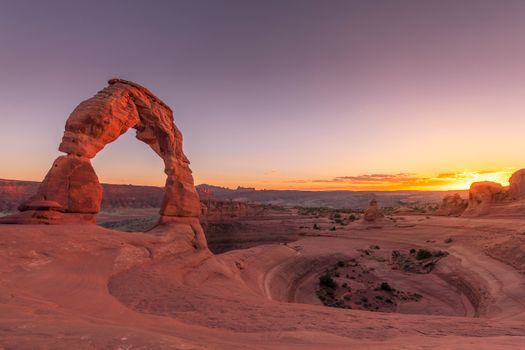
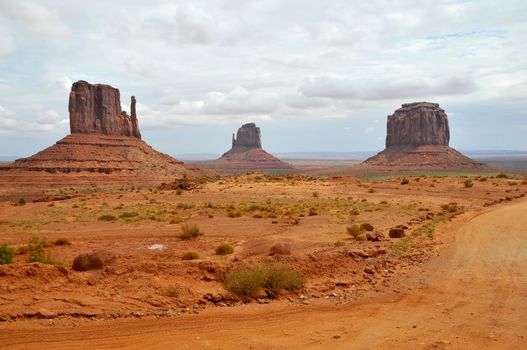
4. The Otherworldly Deserts and Canyons: Utah's Mighty 5
New Zealand has its dramatic geothermal areas and volcanic plains, but the sheer scale and geological artistry of Utah's desert landscapes are a spectacle unto themselves. The "Mighty 5" national parks – Zion, Bryce Canyon, Capitol Reef, Arches, and Canyonlands – offer a geological wonderland that rivals the dramatic formations found in places like the Waitomo Caves or Rotorua's mud pools, but on an epic, arid scale.
Why it Rivals New Zealand:
- Grand Canyon Scale: While not identical, the vastness of Canyonlands and the intricate formations of Arches and Bryce Canyon offer a sense of awe comparable to standing at the edge of the Grand Canyon, a natural wonder that often draws comparisons to New Zealand's scale.
- Unique Rock Formations: Hoodoos, natural arches, and towering sandstone cliffs create a landscape that feels alien and ancient, much like the geological oddities of New Zealand's geothermal regions.
- Color Palette: The vibrant reds, oranges, and purples of the desert rock, especially at sunrise and sunset, are as captivating as New Zealand's lush greens and blues.
Pro-Tips:
- Sunrise/Sunset Viewing: The Window Section in Arches National Park for sunset, and Sunrise Point in Bryce Canyon are legendary for a reason.
- Hike the Narrows (Zion): Wading through the Virgin River in Zion Canyon is an iconic experience, offering a unique perspective on the towering canyon walls. Check flash flood warnings before you go.
- Stargazing: The dark skies of Utah are phenomenal. Capitol Reef National Park is a certified International Dark Sky Park.
- Local Cuisine: Try Fry Bread from a Navajo vendor or enjoy a hearty steak at a local ranch-style diner.
Quick Facts:
- Estimated Costs: $700 - $2,000+ per person (depending on accommodation and park passes)
- Best Time to Visit: April - May, September - October (pleasant temperatures)
- How to Get There: Fly into Salt Lake City (SLC) or Las Vegas (LAS) and rent a car.
5. The Majestic Mountains and Alpine Lakes: The Rockies of Colorado
New Zealand is synonymous with its Southern Alps. For a comparable, high-altitude, alpine experience within the US, the Colorado Rockies are an absolute triumph. Think jagged peaks, pristine alpine lakes, and hiking trails that will take your breath away – literally.
Why it Rivals New Zealand:
- Towering Peaks: The 14,000-foot peaks of Colorado offer a grandeur that rivals the highest points of the Southern Alps. The sheer scale and ruggedness are awe-inspiring.
- Alpine Lakes: Like New Zealand's glacial lakes, the high-altitude lakes in Colorado, such as those in Rocky Mountain National Park, are impossibly blue and surrounded by dramatic scenery.
- Hiking Paradise: From challenging multi-day treks to leisurely lakeside strolls, the hiking opportunities are endless and rival the well-established trails of New Zealand.
Pro-Tips:
- Rocky Mountain National Park: Timed Entry Permit may be required during peak season. Hike to Emerald Lake or Sky Pond for spectacular views.
- Scenic Drives: The Million Dollar Highway (US-550) through the San Juan Mountains is a breathtaking drive, comparable to New Zealand's scenic byways.
- Local Brews: Colorado is a craft beer mecca. Enjoy a local IPA after a day of hiking, or try Rocky Mountain Oysters if you're feeling adventurous.
Quick Facts:
- Estimated Costs: $900 - $2,800+ per person (depending on accommodation and activities)
- Best Time to Visit: July - September (hiking season, wildflowers)
- How to Get There: Fly into Denver International Airport (DEN) and rent a car.
6. The Dramatic Coastline and Volcanic Islands: Hawaii's Big Island
While Maui offers a taste of volcanic wonder, the Big Island of Hawaii presents a more active and diverse volcanic landscape that can rival the raw, elemental power of New Zealand's geothermal regions.
Why it Rivals New Zealand:
- Active Volcanoes: Hawaiʻi Volcanoes National Park is home to Kīlauea, one of the world's most active volcanoes. Witnessing volcanic activity, lava flows, and the creation of new land is a powerful, primal experience, akin to the volcanic forces shaping New Zealand.
- Diverse Ecosystems: From black sand beaches and lush rainforests to barren lava fields, the Big Island offers an incredible range of landscapes in a relatively small area, mirroring the diversity of New Zealand.
- Unique Geological Features: Explore lava tubes, steam vents, and cinder cones, all testaments to the island's fiery genesis.
Pro-Tips:
- Volcanoes National Park: Check the park's website for current eruption status and viewing areas. The Chain of Craters Road offers stunning coastal views and historical lava flows.
- Stargazing at Mauna Kea: Visit the Onizuka Center for International Astronomy Visitor Information Station (VIS) for incredible stargazing opportunities, a celestial spectacle as grand as any natural wonder.
- Local Flavors: Indulge in Kona coffee, fresh macadamia nuts, and a traditional luau for a taste of Hawaiian culture.
Quick Facts:
- Estimated Costs: $1,600 - $4,500+ per person (flights, accommodation, activities)
- Best Time to Visit: April - May, September - October (pleasant weather, fewer crowds)
- How to Get There: Fly into Kona International Airport (KOA) or Hilo International Airport (ITO) on the Big Island.
---
Planning Your American Adventure
Embarking on these American journeys doesn't require a passport or a lengthy flight across the globe. The beauty of these destinations is their accessibility, offering the grandeur and wonder you seek without the logistical hurdles.
Budget Considerations:
- Flights: Domestic flights within the US can vary significantly. Booking in advance and being flexible with dates can save money.
- Accommodation: Options range from budget-friendly motels and camping to luxury resorts and boutique hotels.
- Car Rental: Essential for most of these destinations, especially for road trips.
- Park Passes: Many national parks have entrance fees, but an America the Beautiful Pass (annual pass) can be cost-effective if you plan to visit multiple parks.
When to Go: While each destination has its peak season, shoulder seasons (spring and fall) often offer fewer crowds and more pleasant weather, making them ideal for an immersive experience.
Your Next Epic Journey Awaits: These American landscapes are not just alternatives; they are destinations in their own right, offering experiences as profound and unforgettable as any in New Zealand. So, the next time wanderlust strikes, look closer to home. Your epic adventure is closer than you think. Let Tripsora help you craft the perfect itinerary.
---
More pictures

Tags
Share this guide
We may earn a commission if you click a link and buy a product or service, at no extra cost to you. How affiliate links work.
Been there?