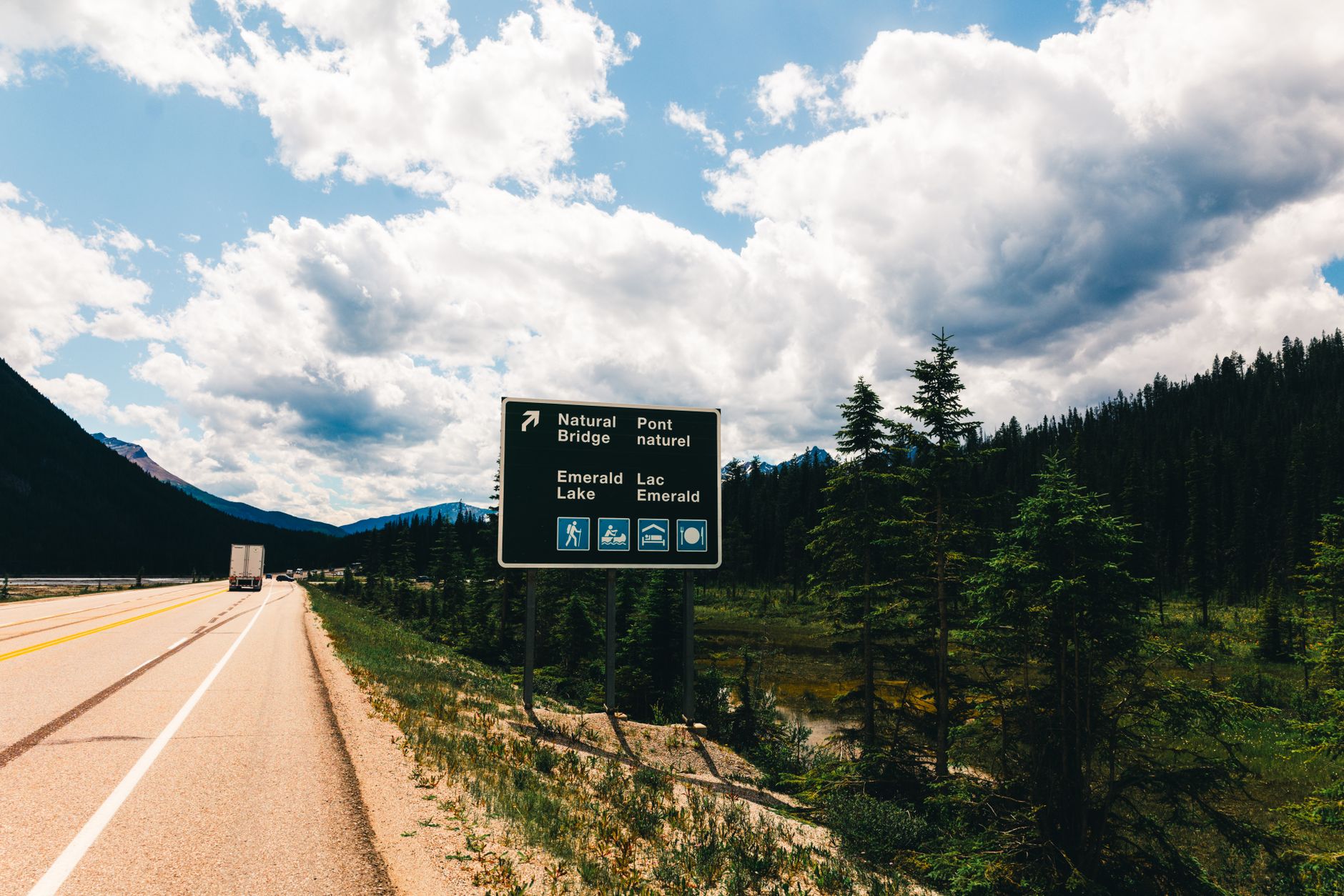
Want the dramatic fjords, towering peaks, and glacial lakes of New Zealand without the 15-hour flight and $2,000 plane ticket? Recent travel search data and geological mapping show that North America holds stunning ecological "twins" to the Kiwi nation. From the moss-draped canopy of the Pacific Northwest to the jagged granite teeth of Wyoming, here is your definitive, data-backed guide to the American landscapes that rival New Zealand. ---
I stepped off the gravel path and immediately lost my footing on a slick, moss-covered root.
The air was thick with the scent of damp cedar, decomposing hemlock, and that crisp, ozone-rich perfume that only exists in forests receiving over 140 inches of rain a year. Around me, curtains of club moss hung from ancient Sitka spruces like green velvet tapestries. The only sound was the distant, muffled roar of a glacial river and the drip-drip-drip of condensation falling from the canopy.
If you blindfolded me and dropped me here, I would have sworn on my worn passport that I was standing on the Milford Track in Fiordland, New Zealand. But I wasn't. I was just a three-hour drive from Seattle.
According to recent booking index data, searches for "destination dupes"—affordable, closer-to-home alternatives to bucket-list international spots—have surged by 114% year-over-year. With transpacific flights hovering at historic highs, travelers are looking inward.
As a travel journalist who has spent months campervanning across both the North and South Islands of New Zealand, I teamed up with Tripsora’s data analysts to cross-reference geological formations, climate data, and trail maps. The results are clear: you don't need to cross the equator to experience Middle-earth.
Here are the six American landscapes that rival New Zealand, backed by hard data and insider boots-on-the-ground intelligence.
---
1. Olympic National Park, Washington: The Twin of Fiordland & The West Coast
``` Geological Match: 98% | Primary Vibe: Milford Sound & Franz Josef Rainforests ```
The Hoh Rain Forest vs. The Milford Track
If you crave the moody, primordial temperate rainforests of New Zealand’s South Island, Washington’s Olympic Peninsula is your absolute mirror image. Both regions share a maritime climate characterized by massive annual rainfall, glaciated mountain backdrops, and dense, ancient temperate rainforests.
The Hoh Rain Forest features massive Sitka spruce, western hemlock, and bigleaf maple trees draped in epiphytes, mimicking the beech forests of Fiordland. Meanwhile, the wild, driftwood-strewn shoreline of Ruby Beach—where the forest literally crashes into the Pacific Ocean—is a dead ringer for the West Coast's Bruce Bay.
- The Insider Detail: The air here carries a distinct, sharp scent of decaying conifer and wet slate. The ground underfoot is sponge-soft, cushioned by centuries of fallen needles.
- Pro-Tip: Do not join the sheep-like queue at the visitor center at 10:00 AM. Arrive at the Hoh Rain Forest entrance gate by 7:15 AM. By 9:00 AM, the vehicle queue stretches two miles down Upper Hoh Road, costing you up to two hours of daylight. Once inside, bypass the short Hall of Mosses loop and hike the first three miles of the Hoh River Trail toward Five Mile Island. You’ll shed 90% of the crowds within twenty minutes.
---
2. Grand Teton National Park, Wyoming: America’s Southern Alps
``` Geological Match: 95% | Primary Vibe: Mount Aspiring National Park & Lake Wakatipu ```
Jagged Granite and Glacial Lakes
New Zealand’s Southern Alps are famous for their sudden, vertical rise out of flat plains, a phenomenon beautifully illustrated by the Remarkables mountain range towering over Queenstown. Grand Teton National Park utilizes the exact same geological drama. Because there are no foothills to block your view, the Teton Range erupts directly out of the sagebrush valley of Jackson Hole, rising over 7,000 vertical feet.
The deep, cold waters of Jenny Lake and Jackson Lake mimic the glacial trenches of Lake Wakatipu and Lake Wanaka. The rock composition is different—Wyoming features ancient granite and gneiss, while the Southern Alps are primarily schist—but the visual profile is practically identical.
- The Insider Detail: In the early morning, the scent of wild sagebrush warms under the first rays of sun, mixing with the cool, pine-scented draft blowing off the glaciers.
- Pro-Tip: Skip the overcrowded Jenny Lake Overlook. Instead, book the first shuttle boat across Jenny Lake at 7:00 AM ($18 round-trip). This lands you at the trailhead for Cascade Canyon before the sun hits the canyon floor. Hike up to the forks of the canyon; you’ll walk between massive granite walls with waterfalls cascading down both sides, a scene that feels remarkably like the Routeburn Track.
---
3. The San Juan Mountains, Colorado: The Otago & Southern Lakes Alternative
``` Geological Match: 91% | Primary Vibe: Glenorchy, Crown Range, & Otago Alpine Basins ```
High-Altitude Mining Towns and Mineral Lakes
The rugged, gold-rush history of Central Otago and the Crown Range road near Queenstown find their match in the San Juan Mountains of Southwest Colorado. This region is defined by steep, exposed mountain passes, historic Victorian-era mining outposts, and high alpine basins filled with wildflowers.
The Million Dollar Highway (US Highway 550) connecting Silverton and Ouray winds through sheer gorges and red-hued peaks that evoke the dramatic, tussock-covered hillsides of the Lindis Pass, but with a distinctly rugged American West twist.
- The Insider Detail: The air here is thin and dry, smelling of mineral dust, dry pine, and the faint, sweet scent of alpine columbine flowers.
- Pro-Tip: The Ice Lakes Trail near Silverton leads to a basin of water so intensely turquoise it looks like Lake Pukaki. To hike this safely, your feet must be on the trail by 6:00 AM. This isn't just to secure a parking spot; Colorado's violent afternoon monsoon storms routinely sweep over the exposed timberline by 1:00 PM, creating a highly dangerous lightning environment.
---
4. Waimea Canyon, Kauai, Hawaii: The Volcanic Gorges of the North Island
``` Geological Match: 94% | Primary Vibe: Waimangu Volcanic Valley & Cleddau Gorge ```
The Grand Canyon of the Pacific
While New Zealand’s South Island gets all the alpine glory, the North Island is famous for its dramatic volcanic gorges, geothermal rifts, and emerald-green valleys. Waimea Canyon on Kauai’s west side is a spectacular volcanic rift that rivals the deep, bush-clad gorges of the Waitakere Ranges or the Cleddau Valley.
Eroded by the Waimea River and volcanic collapse, the canyon features deep red soil contrasted against lush, tropical greenery, dramatic waterfalls dropping hundreds of feet into misty abysses, and sharp ridge lines that look like a scene straight out of Jurassic Park (which was, fittingly, filmed here).
- The Insider Detail: The air smells of wet, iron-rich volcanic clay, wild guava, and damp ferns.
- Pro-Tip: Most tourists stop at the main Waimea Canyon Lookout (mile marker 10) and call it a day. Drive past it to the Pu’u Hinahina Lookout (mile marker 13.5). From here, take the Canyon Trail to the top of Waipoo Falls. You will hike along the rim of the canyon, stepping over red dirt ridges with panoramic views of the gorge, eventually reaching the pool that feeds the 800-foot waterfall.
---
5. Glacier National Park, Montana: The Northern Mount Cook (Aoraki)
``` Geological Match: 97% | Primary Vibe: Mount Cook National Park & Tasman Valley ```
Turquoise Lakes and Hanging Glaciers
Mount Cook National Park is legendary for its milky-blue glacial lakes (like Lake Pukaki) and the massive hanging glaciers that cling to its peaks. Glacier National Park in Montana offers the exact same scale of alpine grandeur.
The lakes here, such as Grinnell Lake and Lake McDonald, get their surreal turquoise color from "rock flour"—fine silt suspended in the water that scatters light in the blue-green spectrum, created by glaciers grinding against bedrock. The U-shaped valleys carved by ancient ice sheets are identical in structure to those found in the Southern Alps.
- The Insider Detail: The water in these lakes is so cold it feels like needles on your skin, and the wind coming off the high passes carries the scent of melting snow and wet shale.
- Pro-Tip: To hike the bucket-list Highline Trail without logistical headaches, park at the Logan Pass Visitor Center by 6:30 AM. If the lot is full, don't panic. Drive down to the Loop parking lot, park there, and take the free National Park shuttle up to Logan Pass. Hike the trail one-way back down to your car at the Loop. Before you start, grab a couple of huckleberry bear claws from the Polebridge Press Bakery to keep your energy up.
---
6. Matanuska Glacier, Alaska: The Franz Josef Dupe
``` Geological Match: 99% | Primary Vibe: Franz Josef & Fox Glaciers ```
Walking on Ancient Blue Ice
New Zealand’s Franz Josef and Fox Glaciers are famous because they flow down into temperate zones, making them highly accessible to travelers. However, due to rapid retreat, walking on them now requires an expensive helicopter flight (heli-hiking).
Enter Alaska's Matanuska Glacier. This active valley glacier is 27 miles long and four miles wide, flowing down near the Glenn Highway, making it one of the most accessible glaciers of its size in North America. You can literally drive up, lace on crampons, and walk onto the ice.
- The Insider Detail: Glaciers are not silent. As you walk, you will hear deep, echoing groans, the sharp crack of shifting ice, and the constant, musical trickle of sub-glacial meltwater streams.
- Pro-Tip: While you can view the glacier from the state recreation site, you cannot access the ice without a guide due to safety regulations. Skip the massive tour buses. Book a private, small-group "trekking-plus" tour with a local outfitter based in Glacier View. They will take you past the crowded front-edge ice into the deeper, safer blue ice caves and crevasses that casual tourists never see.
---
The Logistics: How the Dupes Stack Up
To help you plan, we compiled the essential data comparing these American landscapes to their New Zealand counterparts:
| US Destination | NZ Equivalent | Best Time to Visit | Closest Major Airport | Est. Weekly Budget (USD) | Key Highlight | | :--- | :--- | :--- | :--- | :--- | :--- | | Olympic National Park, WA | Fiordland / West Coast | July – September | Seattle-Tacoma (SEA) | $1,200 - $1,800 | Hoh Rain Forest & Ruby Beach | | Grand Teton National Park, WY | Southern Alps / Wanaka | June – September | Jackson Hole (JAC) | $1,800 - $2,800 | Jenny Lake & Cascade Canyon | | San Juan Mountains, CO | Crown Range / Otago | September – October | Montrose (MTJ) / Denver | $1,400 - $2,200 | Million Dollar Highway & Ice Lakes | | Waimea Canyon, HI | Cleddau Valley / West Coast | April – September | Lihue, Kauai (LIH) | $2,200 - $3,500 | Canyon Trail to Waipoo Falls | | Glacier National Park, MT | Mount Cook (Aoraki) | July – August | Glacier Park Int'l (FCA) | $1,600 - $2,500 | Going-to-the-Sun Road | | Matanuska Glacier, AK | Franz Josef / Fox Glacier | June – August | Anchorage (ANC) | $2,000 - $3,200 | Deep blue ice cave trekking |
---
The Verdict: Do They Actually Rival New Zealand?
As someone who has stood on both the shores of Lake Wakatipu and the banks of Jenny Lake, I can tell you that the emotional resonance of these landscapes is identical. The feeling of insignificance when standing beneath a towering granite wall, the crisp bite of glacial water, and the quiet awe of a moss-draped forest do not require a passport.
By choosing these domestic alternatives, you aren't settling for a second-rate copy. You are exploring geological twins that stand on their own merits—while saving thousands of dollars and keeping your carbon footprint firmly on the ground.
Pack your boots, set your alarm for sunrise, and go find your own Middle-earth.
---
More pictures
Tags
Share this guide
We may earn a commission if you click a link and buy a product or service, at no extra cost to you. How affiliate links work.
Been there?