
Skip the manufactured resort bubbles and reconnect with the soil. Leading sustainable travel advisors reveal how choosing genuine, smallholder-run agricultural tourism funnels direct capital to heritage growers, protects endemic crop varieties, and serves up the most unforgettable, soil-to-table meals of your life. ---
I Woke Up With Rich Tuscan Topsoil Under My Fingernails
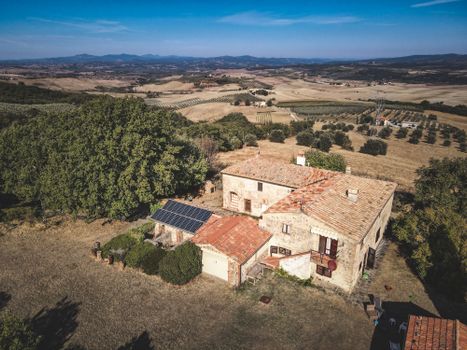
I stepped out of the stone stable at 5:45 AM, and the crisp sub-Apennine chill hit my lungs with the bite of crushed juniper and damp limestone. Fifty yards away, Lorenzo—a third-generation olive grower whose hands looked like gnarled briar root—was already firing up an antique wood-burning hearth to steam fresh whey for morning ricotta.
There were no infinity pools, no curated ambient playlists, and no velvet ropes. Just the rhythmic clack-whir of an heirloom grain mill grinding durum wheat in the barn, the sharp, peppery aroma of newly pressed Frantoio olive oil hanging heavy in the mist, and sixty acres of polyculture farmland that had stayed in the same family since 1928.
For decades, commercial travel pitched rural vacations as passive scenic backdrops—rolling hills viewed through the tinted panoramic windows of a tour bus. Today, the world's most discerning travel advisors are staging a quiet revolution. They are guiding high-impact travelers directly onto working homesteads, regenerative vineyards, and heritage cacao fincas.
This isn't performative eco-tourism; it is agricultural tourism supporting small farmers travel advisors suggest to preserve indigenous foodways, revitalize rural economies, and deliver deeply immersive cultural experiences you cannot replicate in a five-star hotel.
---
1. Why Top Travel Advisors Are Prioritizing Micro-Growers
When you spend your travel dollars at an international resort chain, up to 80% of your capital leaks out of the local economy. When you book a certified smallholder agritourism stay, that economic dynamic flips entirely: over 90% of your spend stays within a five-mile radius.
``` TRADITIONAL RESORT TOURISM SMALLHOLDER AGRITOURISM ┌───────────────────────────┐ ┌───────────────────────────┐ │ 15-20% Local Retention │ VS │ 85-92% Local Retention │ │ Monoculture Landscaping │ │ Polyculture Conservation │ │ Packaged Entertainment │ │ Living Cultural Heritage │ └───────────────────────────┘ └───────────────────────────┘ ```
Travel advisors specializing in sustainable and regenerative itineraries vet properties through a strict lens:
- Crop and Heritage Preservation: Independent growers maintain rare, climate-resilient landrace crops (such as heirloom Oaxacan corn varieties or ancient Etruscan grains) that industrial monoculture abandons.
- Direct Economic Diversification: Tourism revenue provides smallholders with counter-cyclical financial buffers against unpredictable crop yields, droughts, and global commodity price shocks.
- Decentralized Hospitality: By directing foot traffic to forgotten rural corridors, travelers relieve overtourism pressures on stressed urban hubs while keeping historic villages alive.
---
2. Hand-Picked Global Farm Stays Recommended by Travel Advisors
``` ┌─────────────────┬───────────────────────────┬──────────────────────────┐ │ REGION │ FARM TYPE / SPECIALTY │ ADVISOR IMPACT RATING │ ├─────────────────┼───────────────────────────┼──────────────────────────┤ │ Val d'Orcia, IT │ Polyculture & Raw Dairy │ High (Land Stewardship) │ │ Turrialba, CR │ Regenerative Agroforestry │ Exceptional (Bio-corrid) │ │ Oaxaca, MX │ Milpa & Ancestral Agave │ Critical (Seed Banking) │ │ Shikoku, JP │ Terraced Rice & Yuzu │ Urgent (Rural Revival) │ │ Peloponnese, GR │ Heritage Olive Groves │ High (Soil Regeneration) │ └─────────────────┴───────────────────────────┴──────────────────────────┘ ```
The Polyculture Paradiso of Tuscany’s Val d'Orcia, Italy
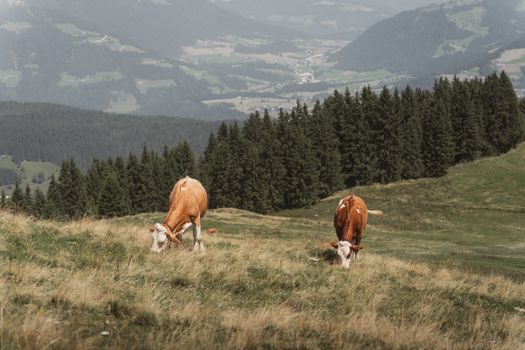
Forget the sanitized "wine resorts" of Chianti. Advisors point conscious travelers toward the organic fattorie of southern Tuscany. Here, family units run closed-loop agricultural systems where Chianina cattle graze beneath olive terraces, providing natural compost for heritage farro fields.
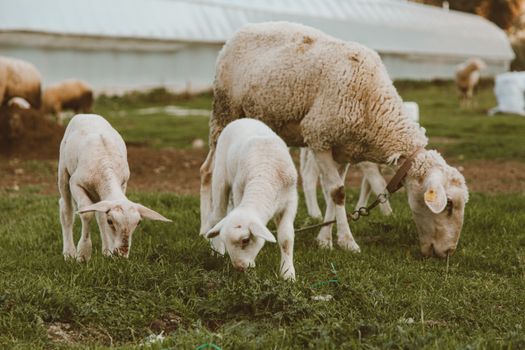
- The Experience: You wake to the bell collars of Sarda sheep, assist with the morning milking, and learn to press raw-milk pecorino aged in walnut leaves. Dinners are unscripted, built entirely around what was pulled from the kitchen garden two hours prior.
- Insider Access: Request a harvest-season stay (la raccolta delle olive) in late October. You will work alongside three generations of family harvesters, carrying crates of hand-picked olives straight to the community frantoio cold-press within six hours of picking.
> Pro-Tip: Look for properties bearing the official Italian classification Agriturismo 4 or 5 Spighe that explicitly demonstrate that over 70% of their table offerings are produced directly on the estate or by adjacent farms.
---
Regenerative Agroforestry in Turrialba, Costa Rica
Tucked into the mist-shrouded foothills beneath the Turrialba Volcano, smallholder coffee and cacao growers have abandoned destructive chemical monoculture in favor of multi-layered regenerative agroforestry canopy systems.
``` [ HIGH CANOPY ] -> Native Inga & Cedar Trees (Nitrogen Fixing & Shade) [ MID CANOPY ] -> Heirloom Criollo Cacao & Shade-Grown Arabica [ GROUND LEVEL ] -> Wild Cardamom, Turmeric & Leguminous Cover Crops [ LIVING SOIL ] -> Fungal Mycelium & Bio-fermented Organic Microbes ```
- The Experience: Walk with fifth-generation growers through multi-strata food forests where shade-grown Arabica coffee ripens beneath native cedar and banana canopies. You will hand-roast fermenting cacao beans over clay griddles and learn how polyculture agroforestry restores natural wildlife migration corridors for toucans and ocelots.
- Economic Mechanism: By staying in these small-scale farm bungalows, your lodging directly finances the purchase of native shade trees that regenerate depleted former cattle pastures.
---
Ancestral Milpa and Wild Agave Conservation in Oaxaca, Mexico
In the Central Valleys of Oaxaca, Zapotec farming families maintain the milpa—an ancient, symbiotic polyculture of corn, beans, and squash that has sustained Mesoamerica for thousands of years.
``` ┌──────────────┐ │ CORN │ Provides physical trellis └──────┬───────┘ │ ┌─────────────┴─────────────┐ ▼ ▼ ┌──────────────┐ ┌──────────────┐ │ BEANS │ │ SQUASH │ │ Fix Nitrogen │ │ Broad leaves │ │ in the soil │ │ shade weeds │ └──────────────┘ └──────────────┘ ```
- The Experience: Spend your days alongside master campesinos, cultivating climate-resilient bolita and zapote heirloom corn without synthetic fertilizers. Learn how micro-distillers hand-harvest sustainably managed wild agaves (tobalá and tepeztate), ensuring that for every mature plant cut, ten nursery seedlings are returned to the rocky mountainsides.
- The Advisor Edge: Elite advisors partner directly with local indigenous community co-ops (mancomunados), bypassing predatory middlemen so that 100% of your excursion fee funds community water infrastructure and native seed banks.
> Pro-Tip: Skip the crowded mezcal showrooms on the highway in Matatlán. Hire a local Zapotec community guide to take you into the remote hills of the Sierra Sur, where independent ancestral distillers produce fewer than 300 liters per batch using stone-pit ovens and clay pot stills.
---
Heritage Rice Terraces and Noka Minshuku in Shikoku, Japan
In the isolated valleys of Japan’s Shikoku island, an aging population has put centuries-old agricultural traditions at risk. Enter the Noka Minshuku (licensed traditional farm-inns), an agritourism initiative travel advisors praise for single-handedly keeping historic villages vibrant.
- The Experience: Sleep on fragrant tatami mats inside a 150-year-old thatched-roof farmhouse (kominka). Help your host family tend steep, stone-walled terraced rice paddies (tanada), prune aromatic yuzu orchards, and forage for mountain spring vegetables (sansai).
- The Impact: Your presence creates viable livelihoods for younger Japanese who are returning to ancestral family farms, preventing the loss of ancient rice-growing knowledge and vernacular woodcraft architecture.
---
3. How Travel Advisors Separate Authentic Farms from Greenwashed Stays
The explosion of interest in rural travel has led to widespread "farmwashing"—luxury resorts that keep three decorative miniature goats near the tennis courts and label themselves an "eco-agriturismo."
When vetted travel advisors assess agricultural tourism supporting small farmers, they evaluate properties against five clear markers:
``` VETTING CRITERIA │ ┌───────────────────────┼───────────────────────┐ ▼ ▼ ▼ Active Production Fair Wages Direct Access (Core revenue from (Documented farm (You interact with working crops) labor standards) actual growers) ```
- Revenue Split: At least 40% of the property's operational income must stem from actual agricultural products, not solely from tourist accommodations.
- Soil and Ecosystem Management: The farm actively practices soil regeneration (no-till farming, composting, cover cropping, and zero synthetic pesticides).
- Labor Ethics: Stays must demonstrate that full-time farmhands and seasonal harvesters receive above-average living wages and safe working conditions.
- Seed Sovereignty: The farm actively grows and protects open-pollinated, non-patented heirloom crop varieties.
- Authentic Immersion: Guests receive real, unscripted educational experiences led by the farmers themselves, rather than polished PR staff.
---
4. Packing, Etiquette, and Logistics for Farm Tourism
Entering a working farm demands a different mindset than arriving at a conventional boutique hotel. You are stepping onto an active agricultural worksite with real daily operations and rhythms.
Essential Rules of Farm Etiquette
- Respect the Morning Cadence: Farm days start before sunrise. If you stay on-site, keep noise levels minimal after 9:00 PM and understand that mornings are dedicated to critical field tasks.
- Biosecurity Matters: Never walk into animal enclosures or step across tilled seedling beds without explicit permission. Disease transmission between soils is a serious threat to smallholder livelihoods.
- Embrace Imperfect Seasonality: If an unexpected frost kills the stone fruit in May, do not demand peach cobbler. Real farm stays serve what the land yields. Lean into culinary surprises.
``` ┌─────────────────────────┬──────────────────────────────────────────────┐ │ PACKING ITEM │ PRACTICAL REASON │ ├─────────────────────────┼──────────────────────────────────────────────┤ │ Waterproof Muck Boots │ Mandatory for morning pastures & wet clay. │ │ Breathable Work Gloves │ Essential for pruning, weeding, harvesting. │ │ High-SPF Mineral Guard │ Chemical sunscreens harm micro-ecosystems. │ │ Pocket Multitool/Knife │ Invaluable for tasting fruit directly in-row.│ │ Washable Canvas Duffle │ Farm roads turn rolling luggage wheels flat. │ └─────────────────────────┴──────────────────────────────────────────────┘ ```
---
5. Logistics and Planning Blueprint
``` ┌──────────────────┬─────────────────┬──────────────────┬───────────────────────┐ │ DESTINATION │ DAILY BUDGET │ PRIME SEASON │ TRANSIT LOGISTICS │ ├──────────────────┼─────────────────┼──────────────────┼───────────────────────┤ │ Val d'Orcia, IT │ $160 - $310 /day│ May–Jun, Sep–Oct │ Train to Chiusi, hire │ │ │ │ │ local EV or hybrid car│ │ Turrialba, CR │ $90 - $180 /day │ Dec through Apr │ 4WD rental from SJO │ │ │ │ │ (2.5 hr mountain drive│ │ Oaxaca, MX │ $70 - $150 /day │ Oct through Mar │ Fly OAX; hire local │ │ │ │ │ driver/guide to valley│ │ Shikoku, JP │ $120 - $240 /day│ Apr–May, Oct–Nov │ JR Rail to Takamatsu, │ │ │ │ │ regional rural bus │ └──────────────────┴─────────────────┴──────────────────┴───────────────────────┘ ```
---
The Soil-to-Soul Connection
On my final night in Tuscany, Lorenzo did not hand me a leather-bound bill in an embossed folder. We sat at a battered pine table in the cellar, our arms exhausted from hauling grain bags, passing around a ceramic bowl of ribbon pasta tossed with dark green, sharp olive oil pressed only four hours earlier.
The steam carried the scent of woodsmoke, wild rosemary, and honest labor.
When you invest in agricultural tourism supporting small farmers travel advisors suggest, you are doing something far more enduring than taking a vacation. You are voting for a resilient, diversified global food system. You are keeping century-old agrarian traditions alive. And, most importantly, you are taking your place at an authentic family table where every single bite tells a story of care, patience, and love for the land.
---
More pictures
Tags
Share this guide
We may earn a commission if you click a link and buy a product or service, at no extra cost to you. How affiliate links work.
Been there?